What does it take to ensure that every child in South Africa has access to quality early learning?
The answer cannot be found in one programme, organisation, or solution. It lies in the connections between the many people and parts of the early childhood development ecosystem – from families and practitioners to government, funders, researchers, technology providers, and community organisations.
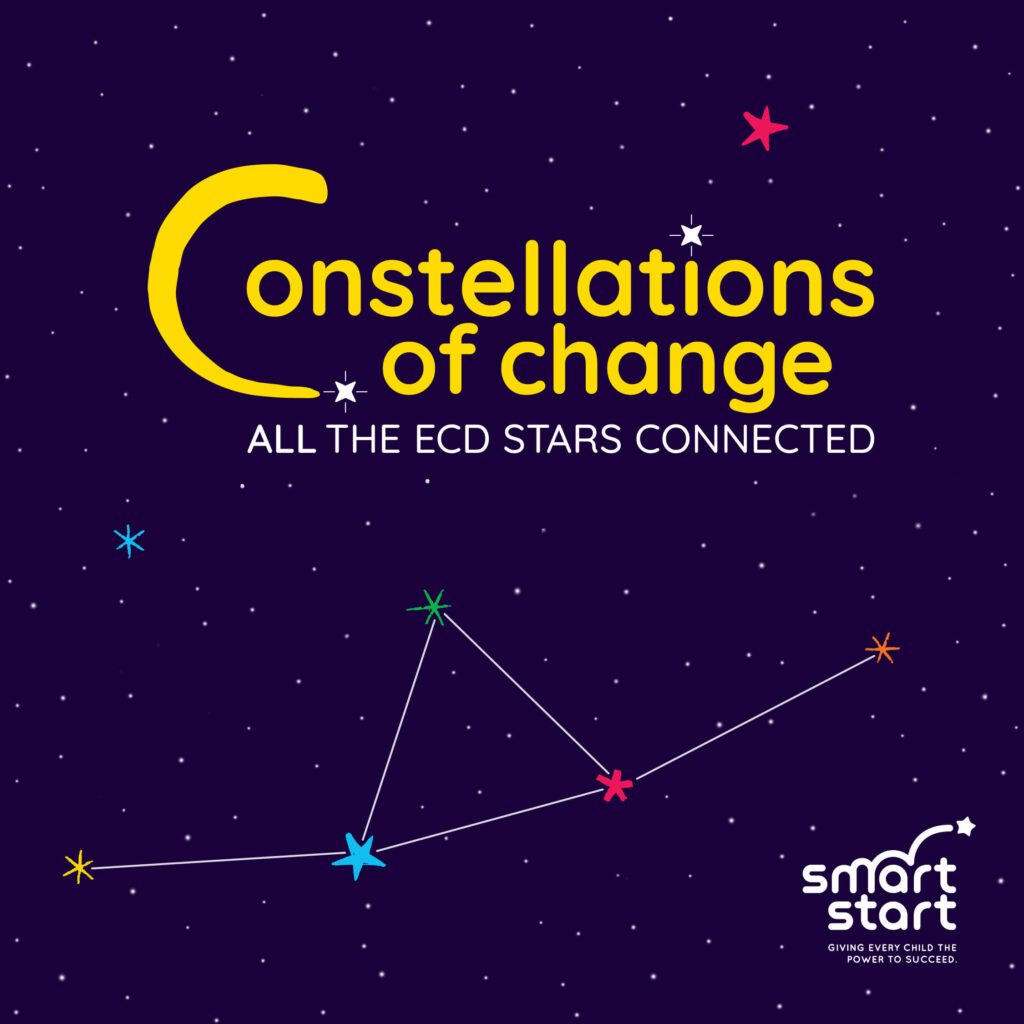
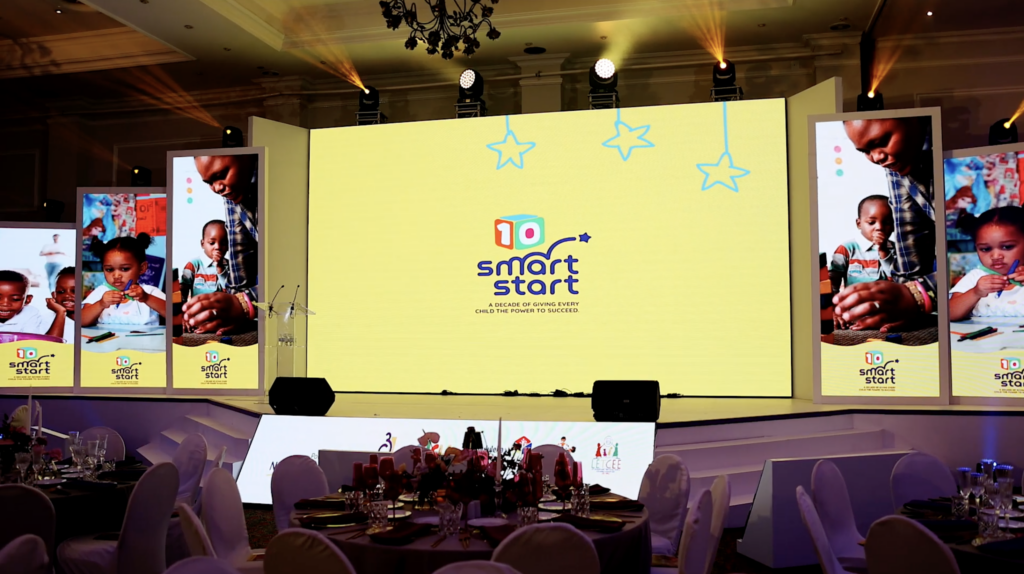
This is the thinking behind Constellations of Change, a two-day gathering hosted by SmartStart on 11 and 12 August 2026 at Emperors Palace in Kempton Park, Johannesburg.
SmartStart’s work is rooted in a simple belief: every child deserves the opportunity to learn, grow, and thrive.
To reach every child, however, requires more than expanding individual programmes. It requires a stronger and more connected system – one where organisations share knowledge, build on one another’s strengths, and work towards a common purpose.
Constellations of Change will bring the SmartStart network together to reflect on the organisation’s journey, look ahead to its new five-year strategy, and explore SmartStart’s evolving role as a system catalyst.
The gathering will also create space to recognise the people and partnerships that make the work possible every day.
The first day will focus on the SmartStart network, bringing together implementing partners, programme leads, club coaches, frontline teams, contact-centre agents, and hub staff.
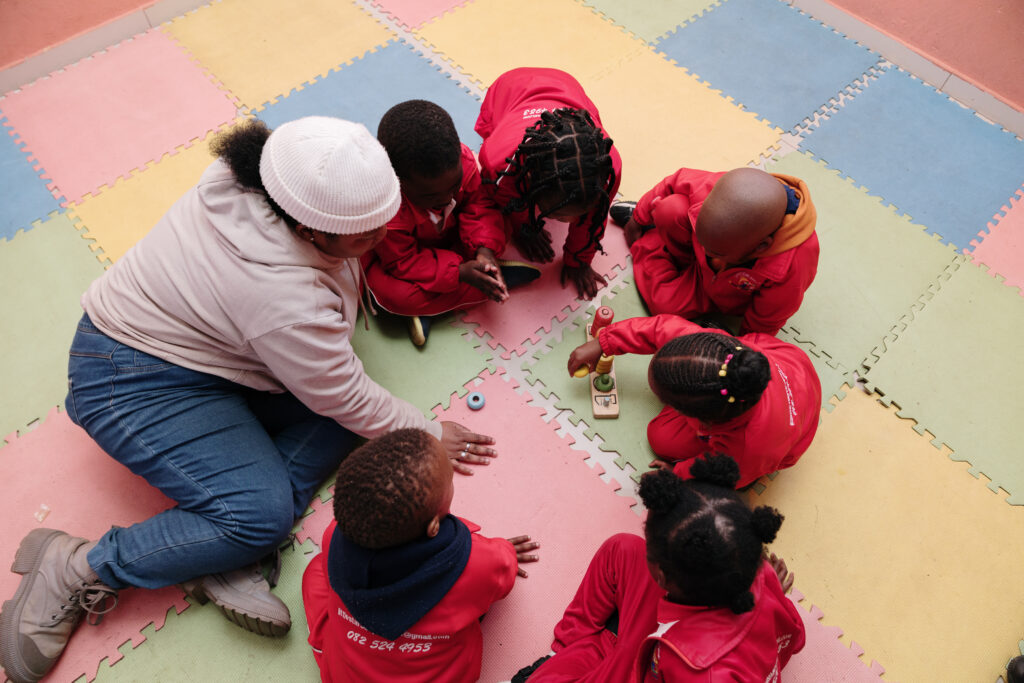
These are the people who support early learning delivery across communities. They recruit, train, coach, coordinate, problem-solve, and help create the conditions in which practitioners can support children.
The day will be an opportunity to:
- Reflect on what the network has learned.
- Connect around SmartStart’s five-year strategy.
- Explore the shift from programme implementer to system catalyst.
- Share ideas and experiences from across the network.
- Celebrate the work of partners and teams.
The day will conclude with a gala dinner celebrating the network’s contribution to SmartStart’s recognition as a 2026 Skoll Award for Social Innovation recipient.
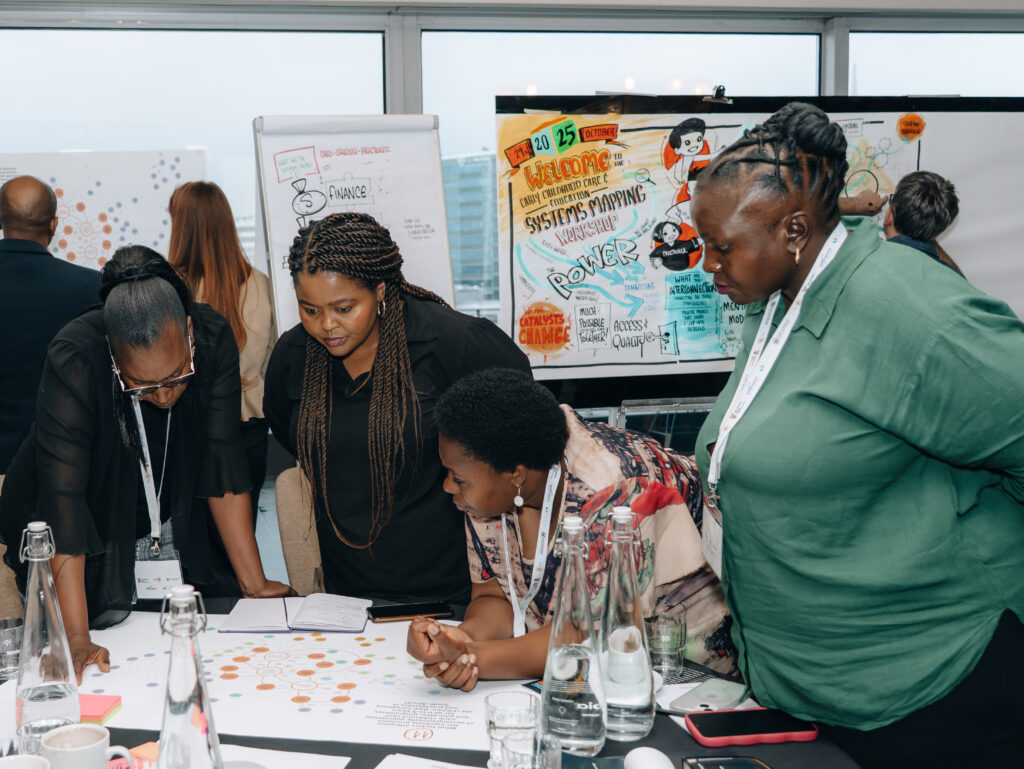
The second day will bring together the wider ECD ecosystem.
Government leaders, funders, researchers, technology providers, implementing organisations, and other partners will be invited to join the conversation about what it will take to expand access to quality early learning across South Africa.
The programme will explore the connections between:
- Access
- Nutrition
- Quality
- The ECD workforce
- Financing
- Data and evidence-building
- Partnerships
These areas cannot be addressed in isolation. Access to early learning is connected to children’s health and nutrition. Quality depends on a skilled, supported, and sustainable workforce. Supporting that workforce requires appropriate financing, guided by evidence and strengthened through partnerships.
The event will ask how the ecosystem can move from working alongside one another to working more intentionally together.
A constellation is made up of individual points. Each point matters, but the pattern becomes visible only when the points are connected. The same is true of early learning. Every practitioner, family, organisation, funder, researcher, policymaker, and community leader has a role to play. Their work may look different, but it contributes to a shared system.
The question is not only what each organisation can do on its own. It is also:
- Where can we work together?
- How can we share what we are learning?
- How can we reduce duplication?
- How can we strengthen the parts of the system that support everyone?
- How can we turn evidence into action?
- How can we ensure that the voices of communities and practitioners shape the future of ECD?
Constellations of Change is not intended to be a conversation for its own sake but an opportunity to build relationships, surface important questions, and identify practical ways to strengthen the early learning ecosystem.
SmartStart’s next chapter will depend on its ability to work with others – not only as a delivery platform, but as a partner in building a more connected, coordinated, and effective system. The work ahead is complex. But the opportunity is significant.
When the different parts of the ecosystem connect, they can create something stronger than any one organisation could create alone: a future in which every child has access to quality early learning. That is the constellation we are working to build.